DAPAI NP Series Lead-Acid Batteries

12V & 2V Models for Solar and Backup

Explore sealed NP Series batteries for compatible solar, UPS and standby systems. First, choose between 12V blocks and 2V cells according to the system voltage. Then confirm capacity, dimensions and the charging profile for your installation. For other stationary power options, browse the product center or contact DAPAI with your required backup time.

2V & 12V models   |   Multiple capacity options   |   OEM/ODM inquiry welcome

Maintenance-Free

Sealed construction for reduced routine maintenance.

Deep-Cycle Design

Designed for compatible cyclic and standby applications.

Sealed Structure

Use according to manufacturer guidance.

NP Series Batteries: Model Range

Explore selected NP Series models. Contact us for detailed model selection and technical specifications.

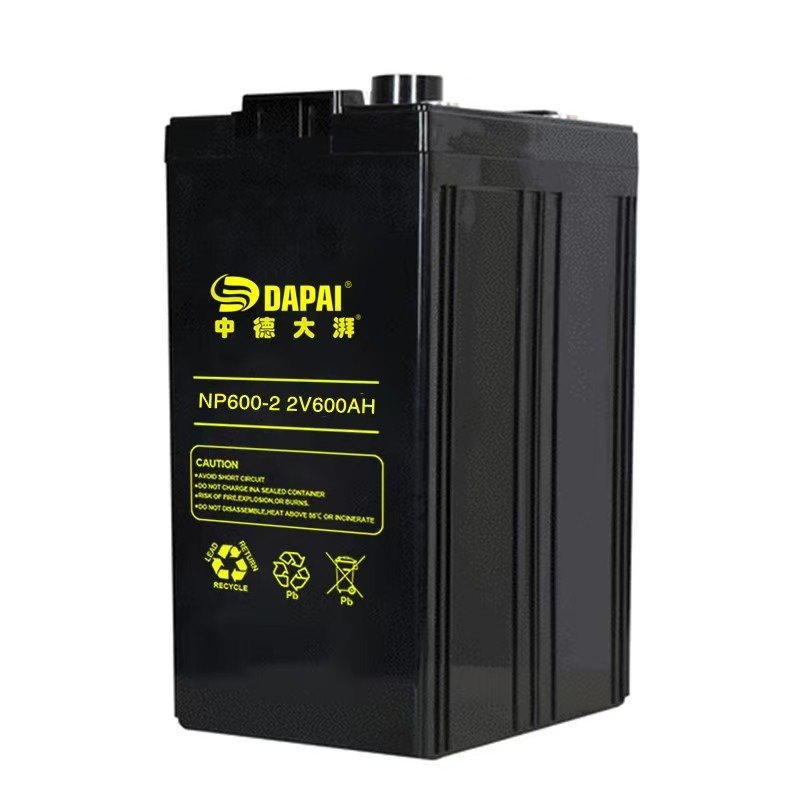
Tall black stationary battery cell with yellow DAPAI branding

NP600-2

2V · 600Ah

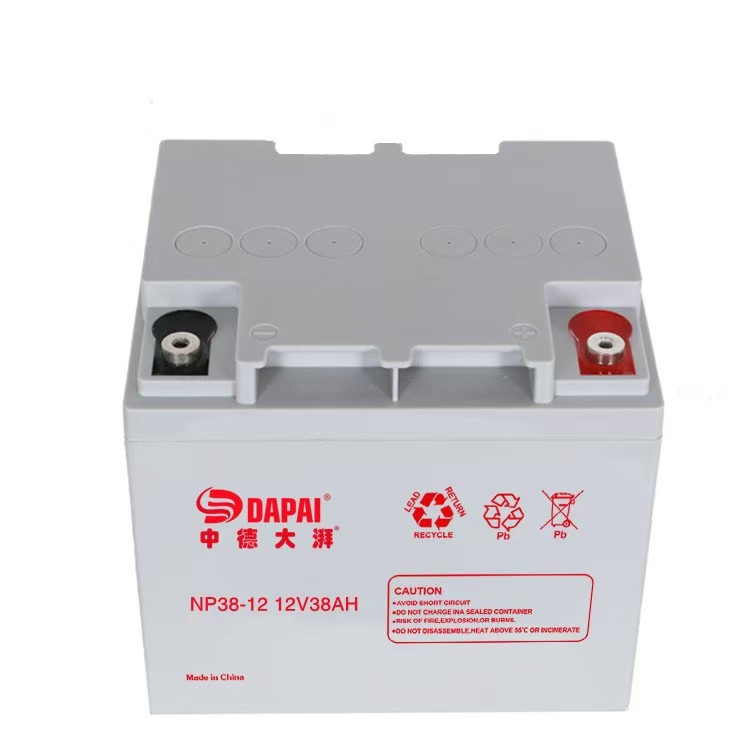
White DAPAI lead-acid battery with top terminals

NP38-12

12V · 38Ah

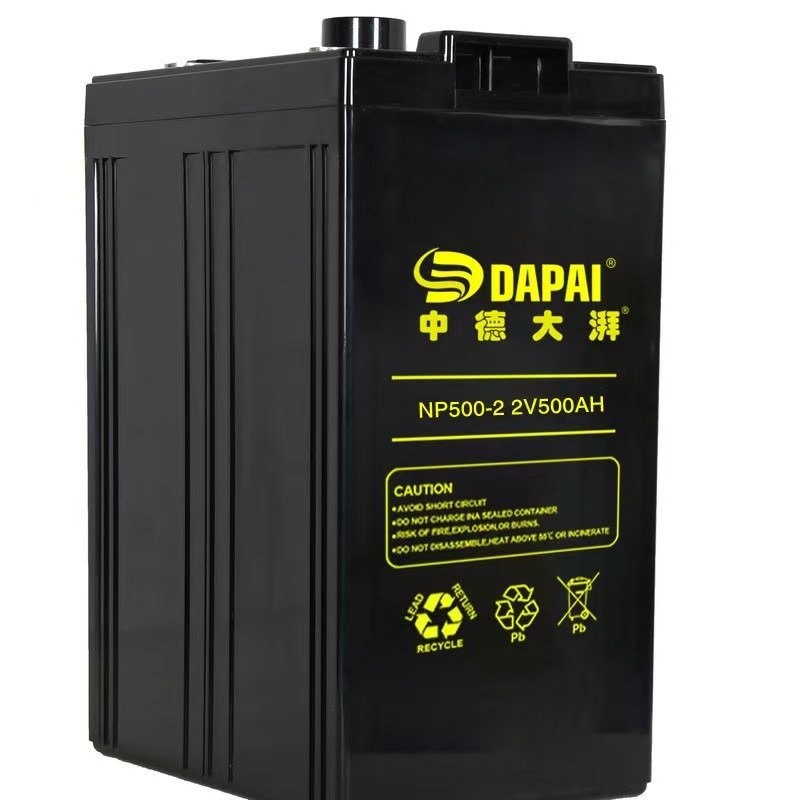
Black DAPAI stationary battery cell

NP500-2

2V · 500Ah

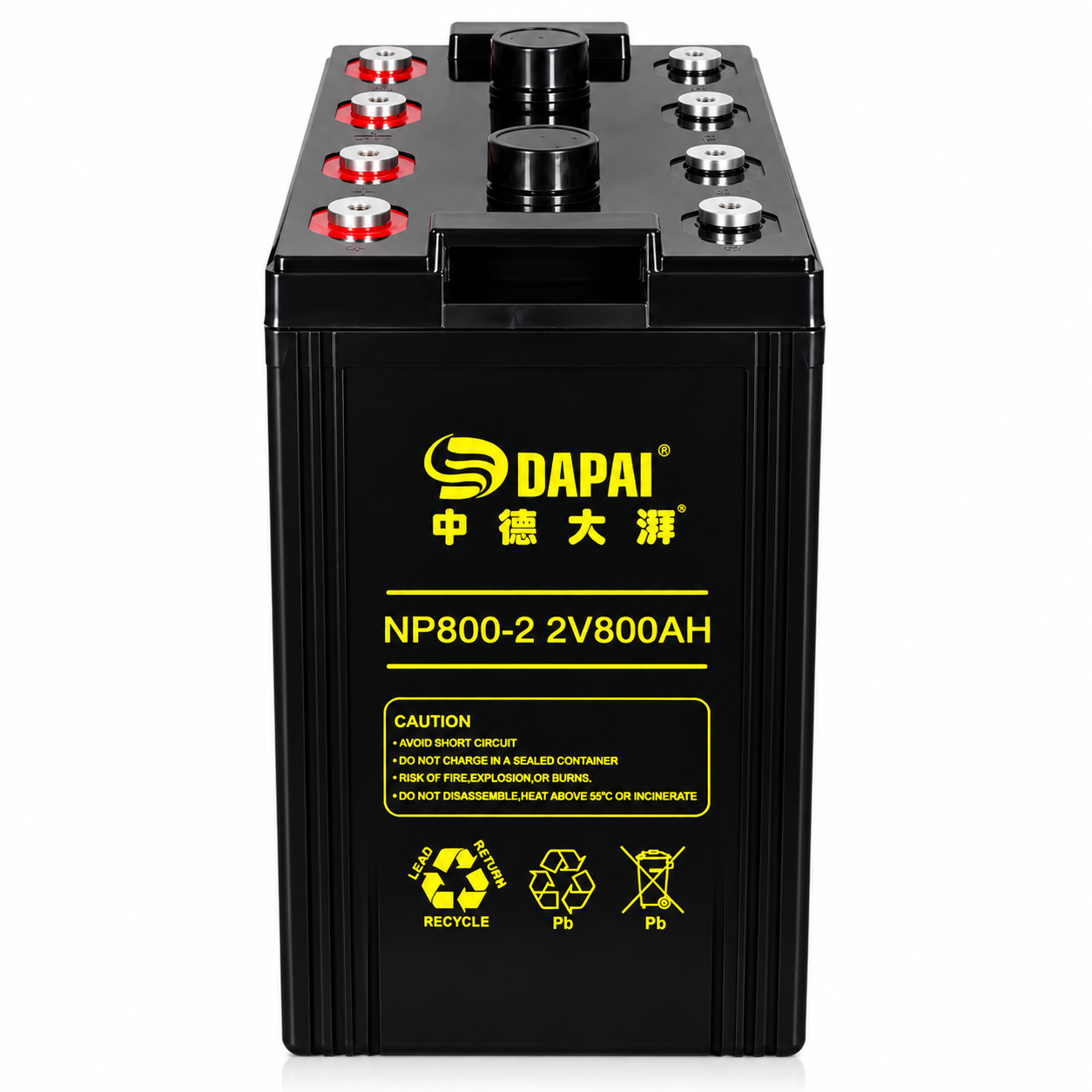
Black stationary battery cell with red and black terminal connections

NP800-2

2V · 800Ah

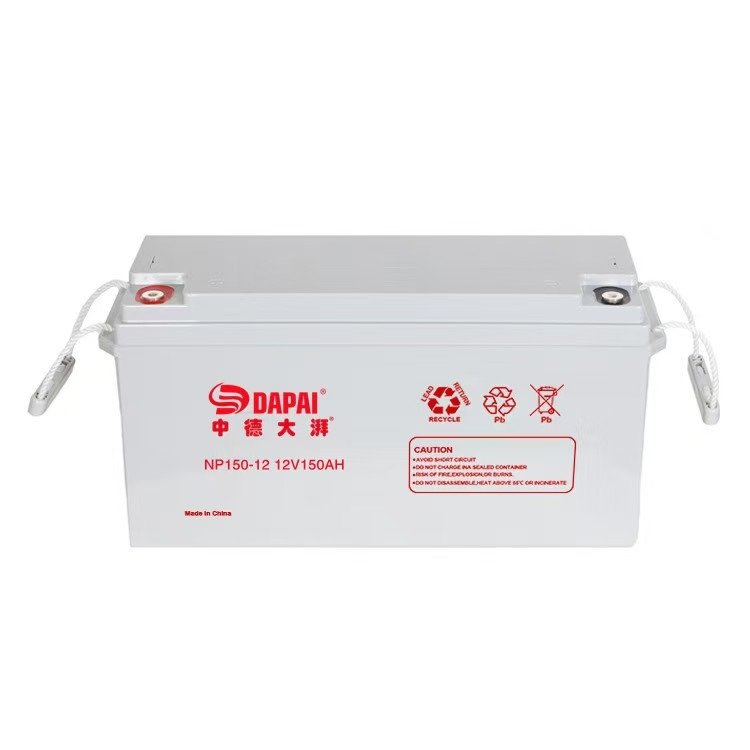
White DAPAI lead-acid battery with carrying handles

NP150-12

12V · 150Ah

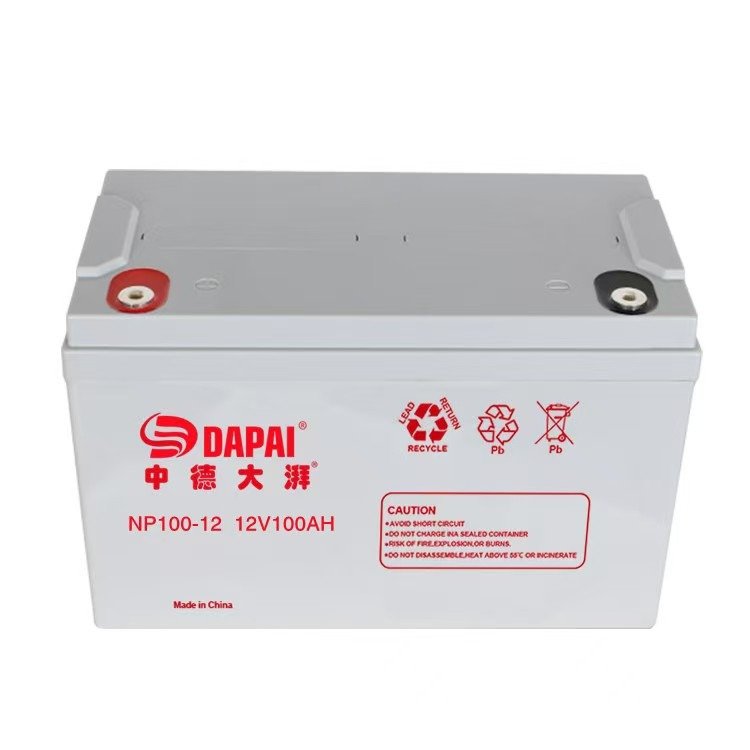
White rectangular DAPAI battery with red and black terminals

NP100-12

12V · 100Ah

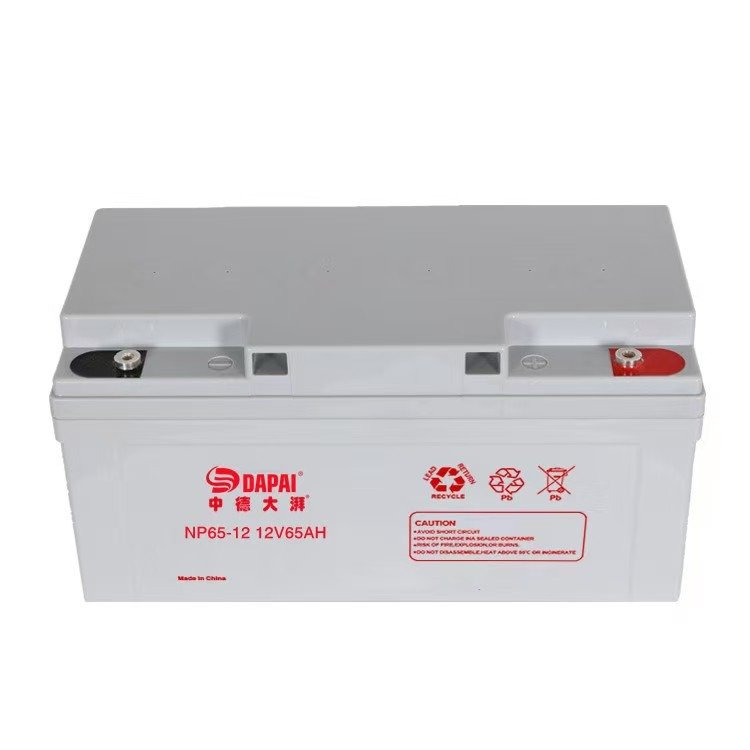
White lead-acid battery with rectangular top cover

NP65-12

12V · 65Ah

Red and black stationary battery cell

NP105-12

12V · 105Ah

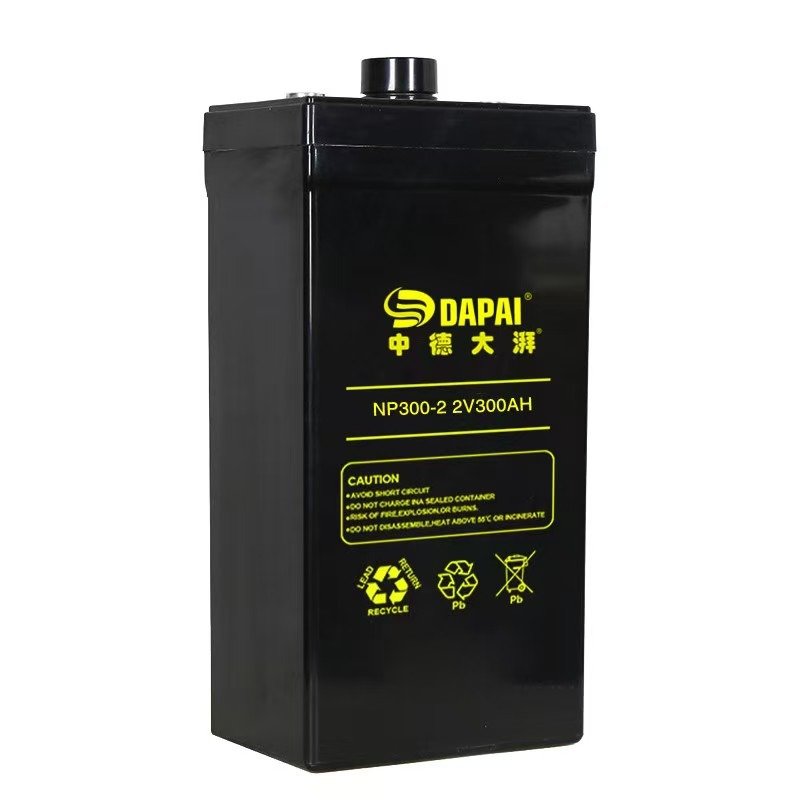
Black stationary battery cell with carry handle

NP300-2

2V · 300Ah

Black DAPAI stationary battery cell with terminal connectors

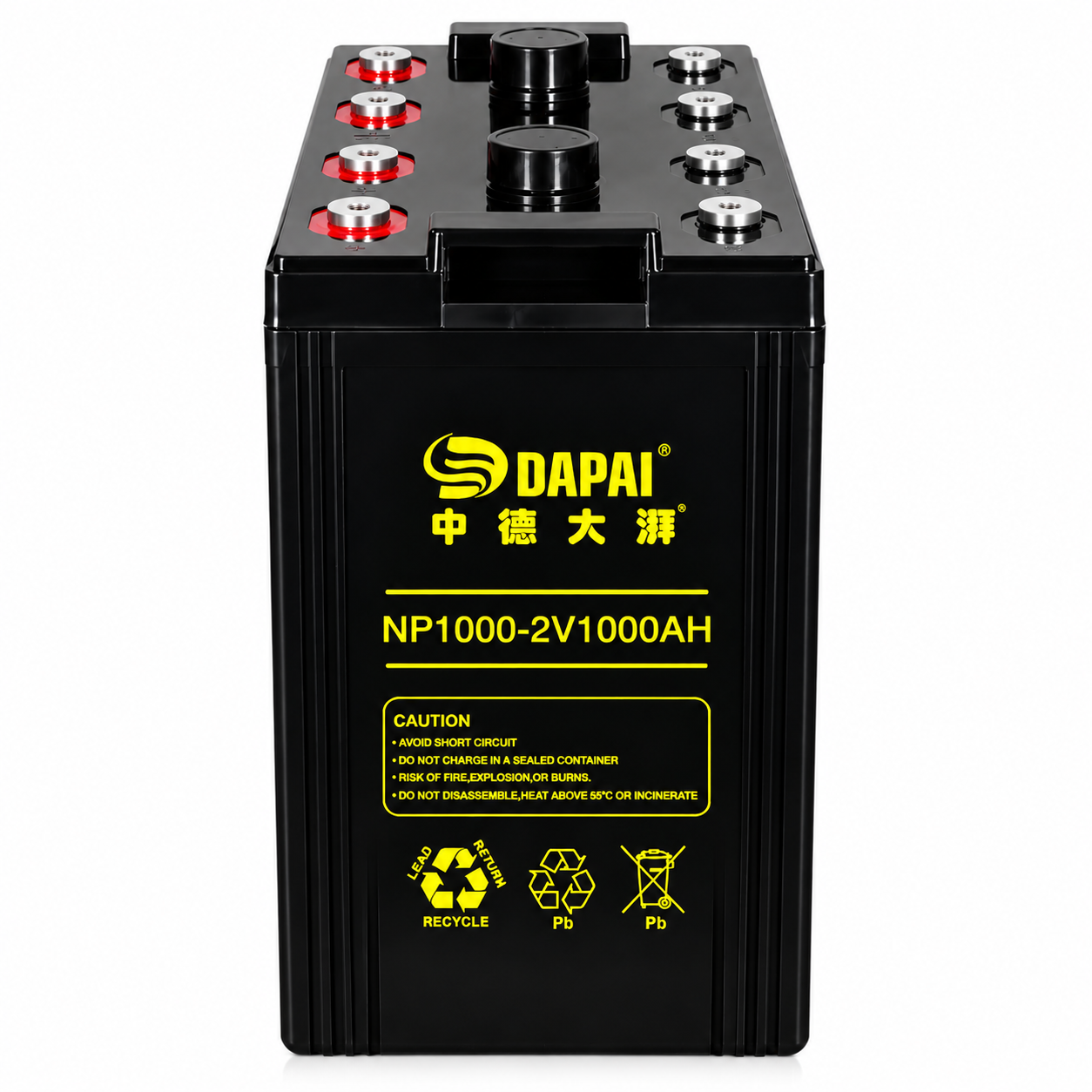
NP1000-2

2V · 1000Ah

Black DAPAI 2V stationary battery cell

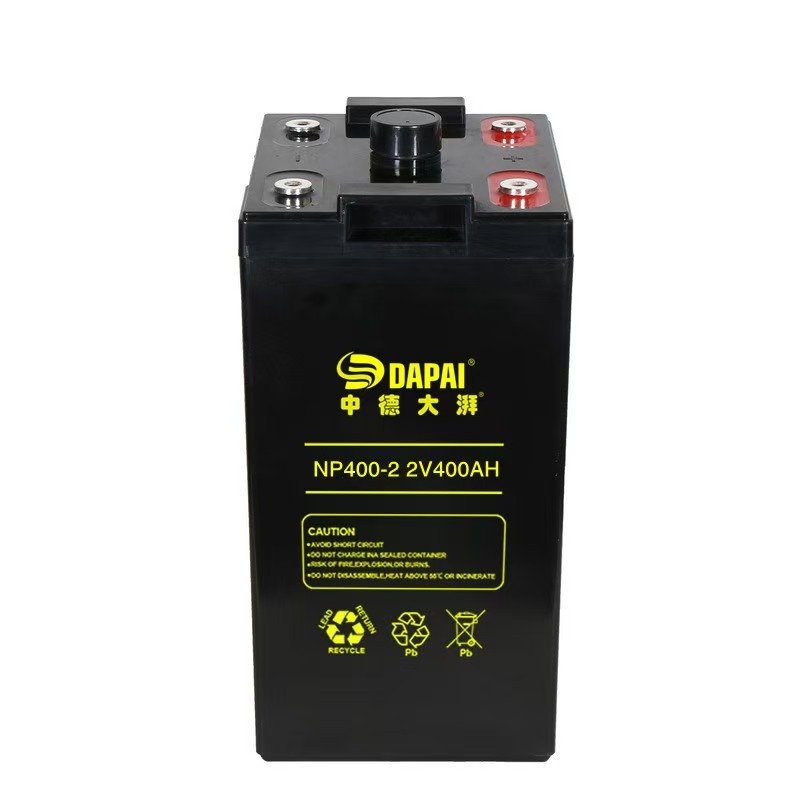
NP400-2

2V · 400Ah

White rectangular lead-acid battery with carrying handles

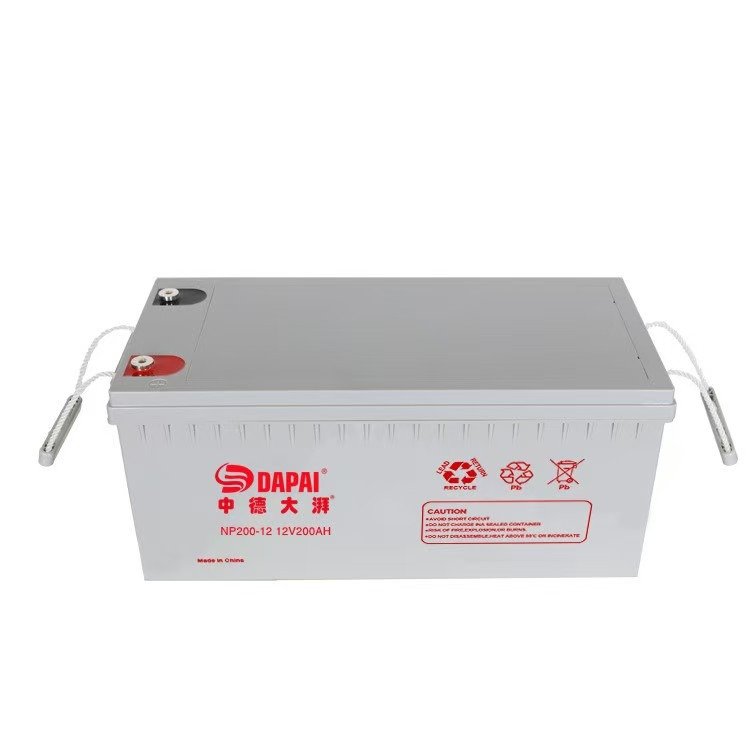
NP200-12

12V · 200Ah

White DAPAI lead-acid battery with red printed label

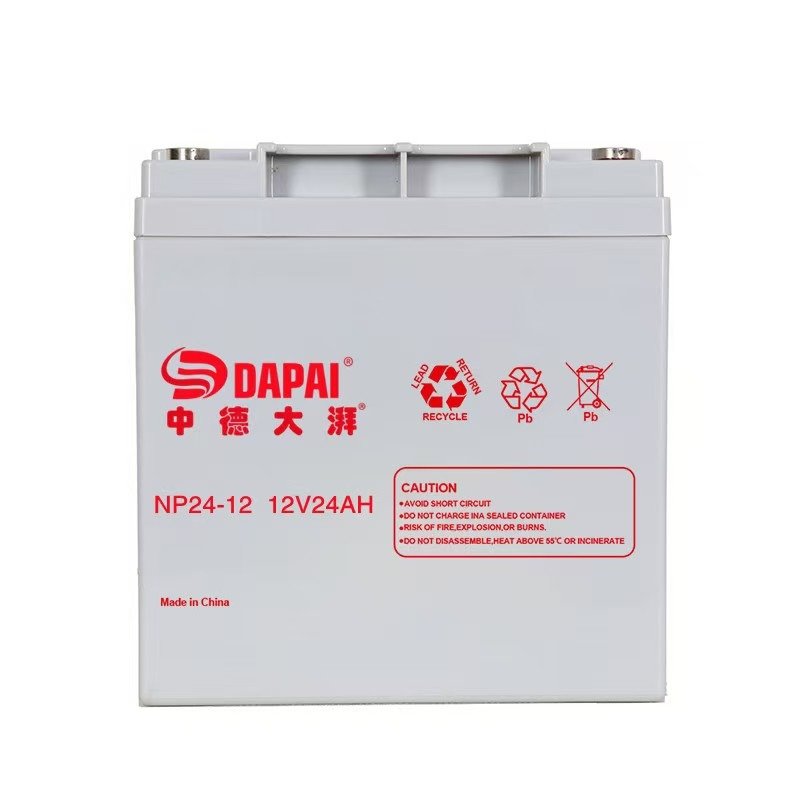
NP24-12

12V · 24Ah

Black lead-acid battery with white DAPAI label

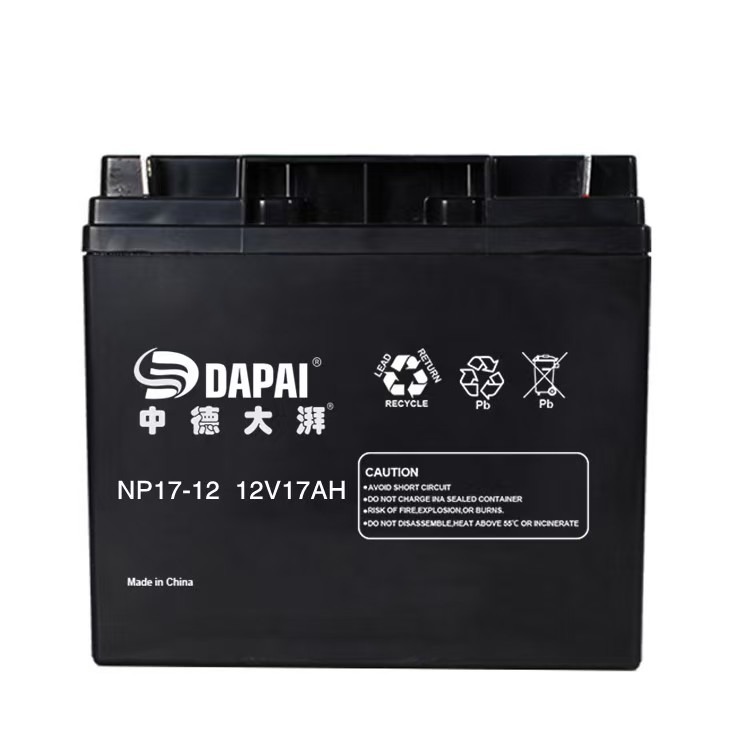
NP17-12

12V · 17Ah

White rectangular DAPAI battery with top terminals

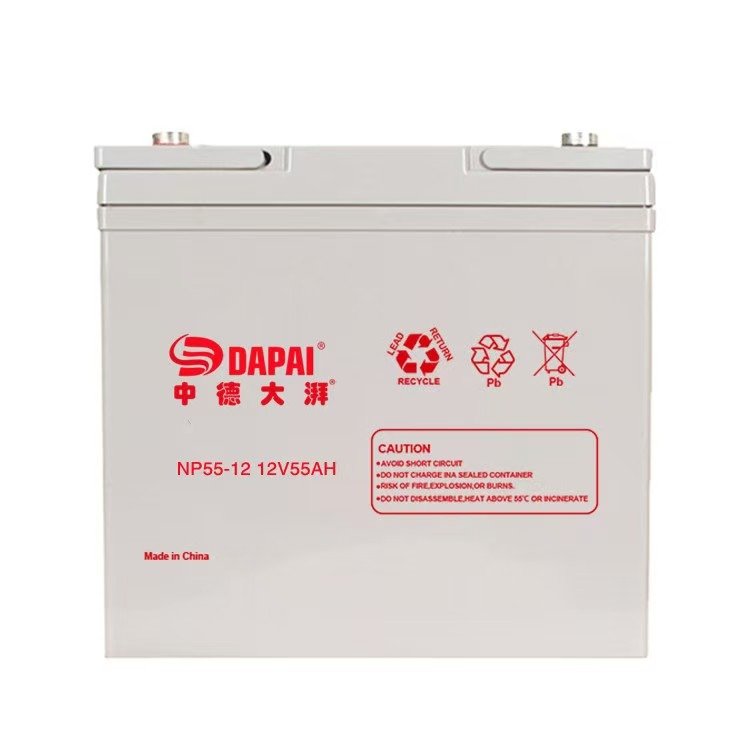
NP55-12

12V · 55Ah

White lead-acid battery with red DAPAI label and handle

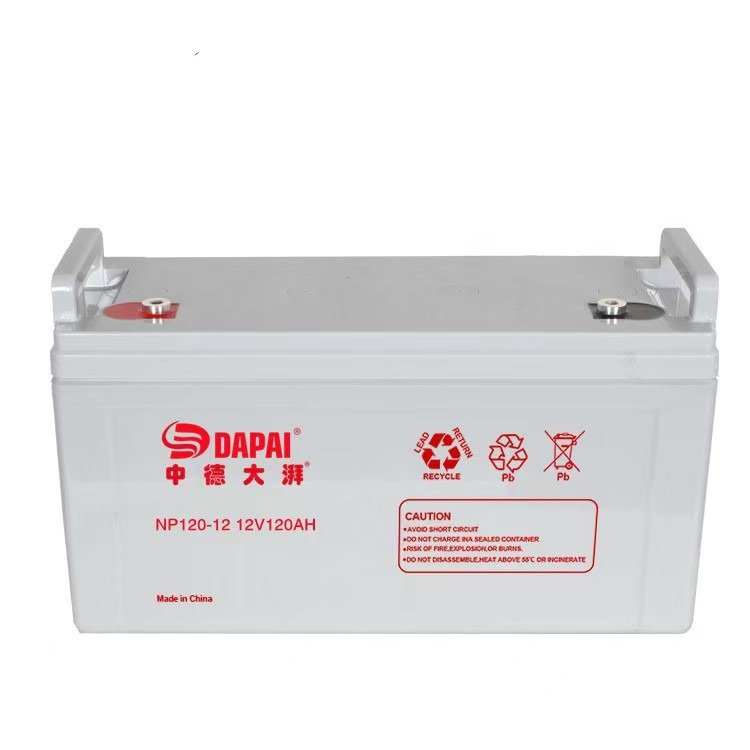
NP120-12

12V · 120Ah

NP Series Batteries: Applications

Applications depend on system design and correct battery selection.

☀ Solar Energy Storage

Illustration of solar panels and containerized energy storage

Suitable for compatible solar energy storage systems.

▣ Telecommunication Backup

Illustration of a telecommunications tower at sunset

For suitable telecom backup power installations.

♻ Renewable Energy Systems

Illustration of wind turbines, solar panels and energy storage

For compatible renewable-energy storage configurations.

◈ UPS & Emergency Power

Illustration of equipment cabinets in a server room

For backup and standby systems with matched voltage and capacity.

NP Series Batteries: Specifications

Representative model data. Confirm dimensions, weight, charging requirements and performance with the manufacturer before ordering.

SPECIFICATIONS (12V SERIES)

Model No.Nominal Voltage (V)Capacity (Ah)Dimensions (mm) L × W × HWeight (kg)
NP17-121217181 × 76 × 1674.9
NP24-121224165 × 125 × 1757.4
NP33-121233195 × 130 × 1759.3
NP38-121238197 × 165 × 17011.5
NP55-121255229 × 138 × 21015.9
NP65-121265350 × 166 × 17419.0
NP100-1212100330 × 175 × 21827.8
NP120-1212120407 × 174 × 24032.0
NP150-1212150484 × 170 × 24240
NP200-1212200520 × 240 × 22555.0
NP250-1212250520 × 269 × 22568.0

SPECIFICATIONS (2V SERIES)

Model No.Voltage (V)Capacity (Ah)
NP300-22300
NP400-22400
NP500-22500
NP600-22600
NP800-22800
NP1000-221000

Note: Dimensions and weights depend on the model. Please contact us for detailed specifications.

Get a Quote for DAPAI NP Series Batteries

Contact us for detailed specifications, pricing and customized solutions.

SELECTION & COMPATIBILITY

NP Battery Voltage & Capacity Selection Guide

NP Series models are available as 12V batteries and 2V cells. Start with the system’s nominal voltage and the battery model’s documented capacity, then check the charger profile, installation space and backup requirement.

CheckHow to select
System voltageSelect a battery arrangement that matches the system design. Multiple 2V cells can form a series string; verify cell count, connections and charger settings for the required bank voltage.
Capacity & backupList the load and backup hours, then estimate required energy. Select capacity using the model’s stated discharge rate and reserve assumptions; runtime changes with load, temperature and discharge depth.
Dimensions & terminalsConfirm case dimensions, terminal type, cable size, series/parallel arrangement and available installation space for the exact model.
Charging & useMatch the charger/controller to the model’s charging and float-voltage limits, current and temperature guidance. Follow the installation and inspection instructions.

Compare before you choose

A 2V cell bank can be configured for larger stationary systems, while 12V blocks may suit systems designed around those units. Compare total bank voltage, capacity at the same discharge rate, installation layout and service requirements.

For a model-specific recommendation, send the equipment or system model, existing battery label, required voltage, capacity or load, dimensions, charger details and operating schedule. Final fit and settings must be confirmed against the selected model data.

CONTINUE EXPLORING

Related products & charging options

Compare the application and battery technology. Confirm the charging profile and compatibility before selection.

Compare stationary battery technologies.

Stationary lithium storage for compatible systems.

Portable energy for outdoor use and backup.

Product Selection FAQs

Choose based on the system voltage, required capacity and available installation space. A 2V bank uses multiple cells in series to reach the system voltage; verify the series count and capacity with the project design.

Check the battery model’s charging and float-voltage requirements, current limits and temperature conditions against the charger or controller settings. Use the exact model data when setting a charging profile.

The sealed construction is designed to reduce routine electrolyte maintenance. Keep terminals and connections clean, inspect the installation as directed and follow the model’s charging, ventilation and storage guidance.